
Q2 2026: Growing pressure shifts priorities
The optimism of the first quarter of 2026 gave way to a harsher reality for working Americans in Q2. Rising costs and financial uncertainty have driven the Workforce Financial Stability Score* (WFSS) down from previous highs. But financial pressures and priorities aren't the same for everyone.
The Q2 Pathway to voluntary benefits success report explores how working Americans across the generations feel about their financial futures, and how you can help them feel more secure with voluntary benefits.
What's in the report?
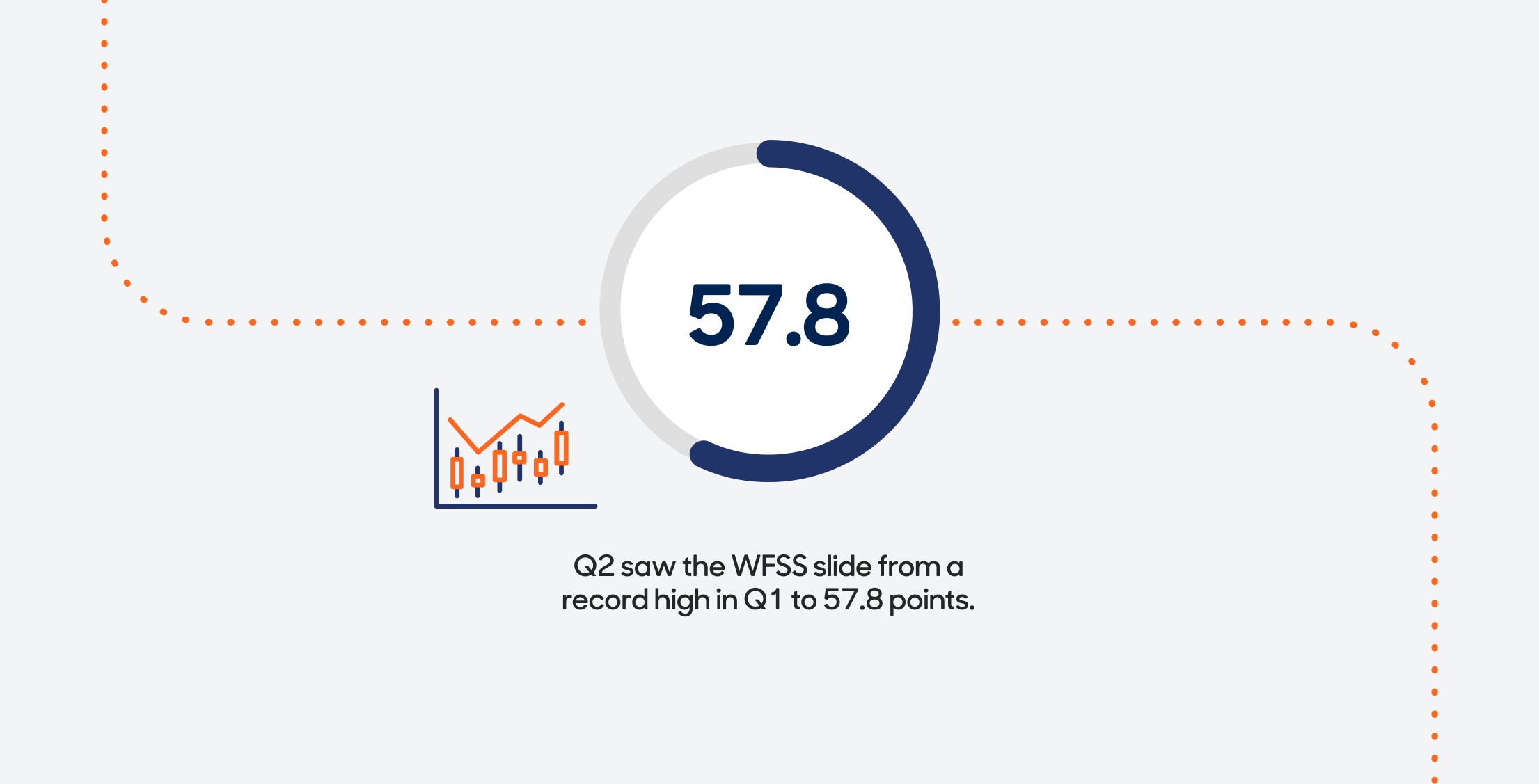
1. Quarterly scores
The WFSS softened in Q2 2026, pulling back from the record high set last quarter. While some working Americans remain engaged in saving and longer-term planning, many are focused on covering day-to-day costs as living expenses climb. Economic uncertainty continues to weigh on working Americans, reinforcing the sense that financial stability remains fragile.
Read the report
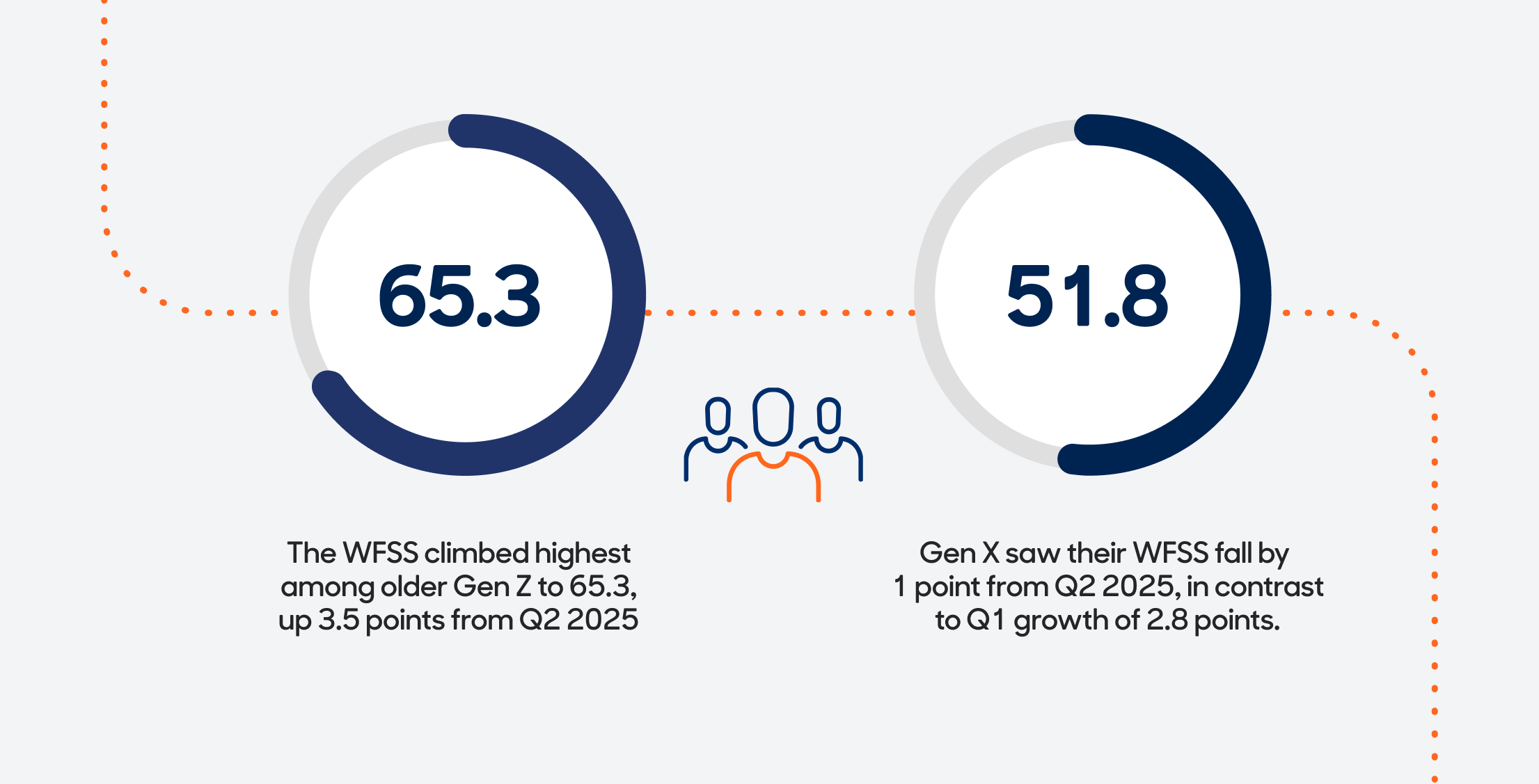
2. Generations up-close
Financial well-being is experienced differently across the generations, with WFSS scores highlighting their distinct financial priorities. While older Gen Z feels more confident and engaged in building wealth, Gen X is under the most strain.
Read the report
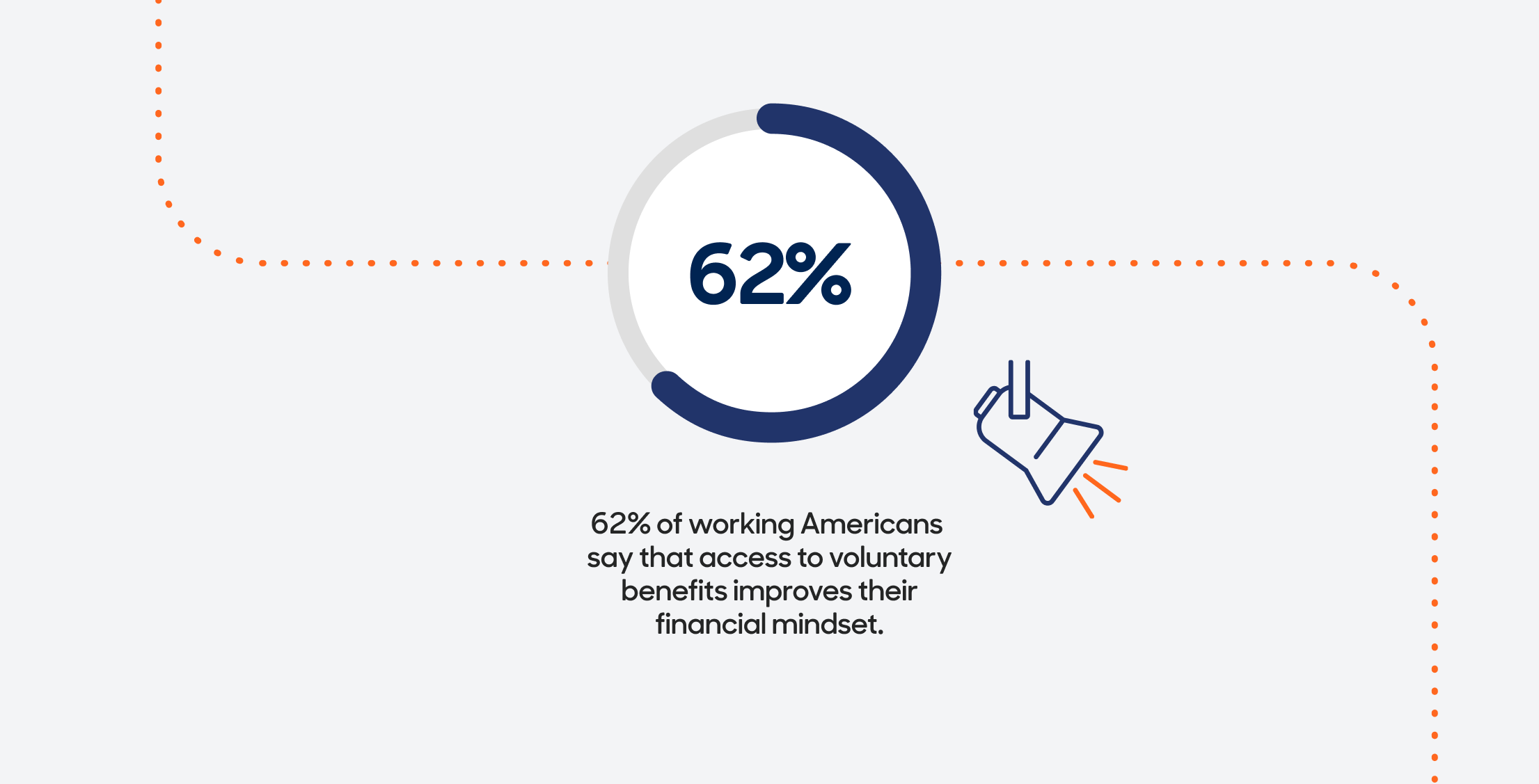
3. Spotlight insight
Voluntary benefits are playing a large role in financial well-being, as those enrolled value what their employer offers, and plan to stay enrolled. Financially Healthy working Americans understand and appreciate their benefits, but some forget they're enrolled — a clear engagement opportunity. Financially Challenged Americans increasingly see the value, but cost concerns hold many back from enrolling.
Read the report
Resources you can use

The Q1 2026 report

The Q4 2025 report
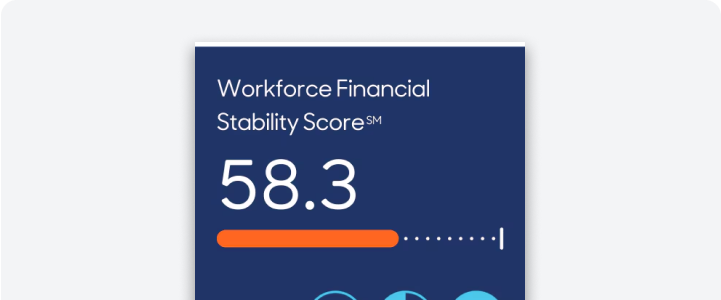
Monthly WFSS updates
FOR EMPLOYERS. NOT FOR USE WITH EMPLOYEES.
* The MassMutual Workforce Financial Stability Score measures the changing attitudes and financial outlook of working Americans. Commissioned by MassMutual, the research began in June 2022 and is conducted online, monthly, among a nationally representative sample of 1,000 U.S. middle-market employees. For purposes of this research, MassMutual defines working Americans and middle-market employees as those between ages 22 and 67, working at firms with at least 25 benefit-eligible employees, with a household income of $40,000 to less than $150,000, and assets less than $300,000.
** Working Americans are segmented into three cohorts based on the WFSS, using a scale from 0 to 100 to indicate the overall sentiments of financial well-being: Financially Challenged - survey respondents who scored between 0 and 39, Financially Stable - survey respondents who scored between 40 and 69, and Financially Healthy - survey respondents who scored between 70 and 100.
Products and/or certain features may not be available in all states. State variations will apply.
Insurance products issued by Massachusetts Mutual Life Insurance Company (MassMutual) and its subsidiaries, C.M. Life Insurance Company (C. M. Life) and MML Bay State Life Insurance Company (MML Bay State), Springfield, MA 01111-0001. C.M. Life and MML Bay State are non-admitted in New York.